Source Wall Mount Fabric Light Box for Restaurant, Cinema, and Bar
Find and compare 23 wall mount fabric light box options for restaurant, cinema, and bar applications. These ultra-slim LED backlit displays feature aluminum frames, customizable sizes, and high-brightness SMD LEDs for effective indoor advertising.
Key considerations
Products List




Comprehensive Sourcing Guide
Wall Mount Fabric Light Box Sourcing Guide
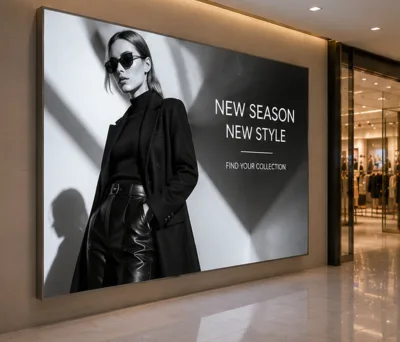
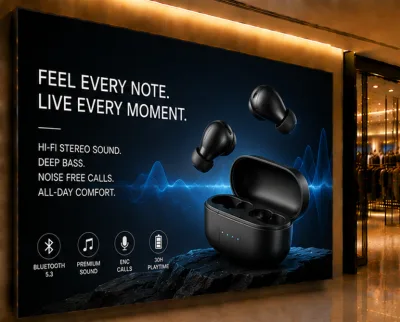
Sourcing wall mount fabric light boxes requires a careful balance between aesthetic integration and technical reliability. These fixtures are designed to provide uniform, high-brightness illumination for graphic media, making them ideal for retail environments, corporate lobbies, and hospitality venues where visual impact is critical. The core value proposition lies in the combination of a slim profile, which minimizes visual clutter, and the use of tensioned fabric, which eliminates the wrinkles and seams often associated with traditional vinyl posters. Buyers must recognize that while the visual outcome is consistent, the underlying engineering—specifically regarding heat dissipation and electrical safety—varies significantly across different manufacturing tiers.
The procurement process for these units is heavily influenced by customization needs and volume commitments. Unlike off-the-shelf signage, wall mount fabric light boxes are frequently tailored to specific architectural dimensions and branding requirements. This customization extends to the frame finish, the type of LED driver, and the mounting hardware configuration. Consequently, buyers should approach suppliers with clear technical drawings and material specifications early in the inquiry phase. Understanding the distinction between standard modular sizes and fully bespoke designs is essential for accurate cost estimation and lead time planning, as custom fabrication inherently introduces more variables into the supply chain.
Product Scope and Observed Listing Signals
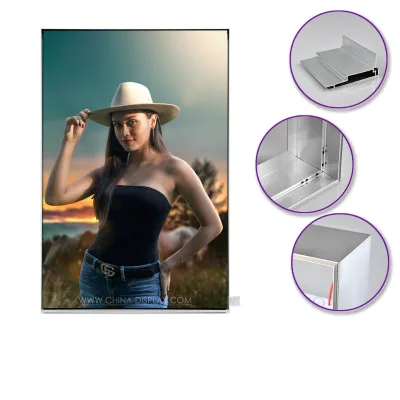
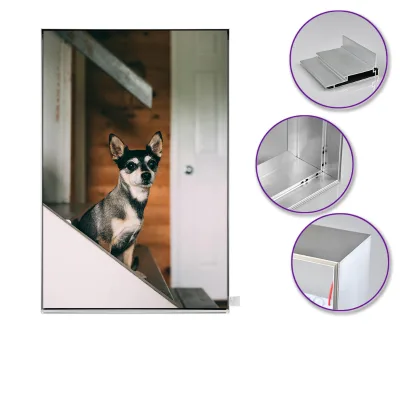
The market for wall mount fabric light boxes encompasses a variety of form factors, primarily categorized by their frame design and lighting configuration. Observed listings indicate a strong preference for ultra-slim profiles, with thicknesses ranging from approximately 3cm to 12cm, allowing for discreet installation on interior walls. The product scope includes both single-sided and double-sided configurations, catering to different spatial layouts and viewing angles. Additionally, the frame material is predominantly aluminum, often anodized for durability and aesthetic appeal, with color options typically limited to regular silver or black, though custom colors are frequently available for larger orders.
Listing signals also reveal significant variation in the printing carrier and light source technology. The primary printing media identified is UV fabric, which offers superior color vibrancy and wrinkle resistance compared to standard flex banners. Lighting sources are consistently described as high-brightness LED strips, with specific mentions of SMD LED backlit sources and SMD3030 chips from reputable manufacturers like Epistar. Buyers should note that while many listings claim "frameless" designs, these often refer to a minimalistic aluminum frame that blends into the wall, rather than a truly borderless unit. The shape of the units is predominantly rectangular or square, aligning with standard poster dimensions such as A4, A3, A2, A1, and A0, as well as fully customized sizes.
Technical Specifications to Verify
When evaluating technical specifications, the power supply configuration is a critical decision point. Listings indicate the use of DC12V or DC24V power sources, which are standard for low-voltage LED systems to enhance safety and reduce electrical loss over longer cable runs. Buyers must verify the compatibility of the included driver with their local electrical infrastructure, especially if multiple units are being daisy-chained. The brightness output is another key metric, with observed ranges between 3000 and 5000 Lux, ensuring sufficient visibility in well-lit indoor environments. It is advisable to request photometric data from the supplier to confirm that the luminance is uniform across the entire fabric surface, avoiding hotspots or dark corners.
The lifespan and color temperature of the LED components directly impact long-term maintenance costs and visual consistency. Typical specifications cite a lifespan of 50,000 hours, which translates to several years of continuous operation in commercial settings. The color temperature is often specified in the range of 8000K to 10000K, providing a cool, crisp white light that enhances the clarity of printed graphics. However, buyers should confirm whether this high color temperature aligns with their brand’s aesthetic goals, as warmer tones may be preferred for certain hospitality or residential applications. Additionally, the IP rating of the unit should be verified, particularly if the installation location is prone to humidity or dust, although most wall mount units are designed for indoor use only.
Compliance and Safety Documentation
Compliance with regional safety and electromagnetic compatibility standards is non-negotiable for commercial installations. The most frequently cited certifications in the market include CE, EMC, and LVD, which are essential for selling and installing products in European and many other international markets. For buyers in North America, FCC certification is also critical to ensure the device does not emit harmful electromagnetic interference. It is important to note that while CE marking is common, it is a self-declaration process in many cases; therefore, buyers should request the underlying test reports from accredited laboratories to verify the authenticity of the compliance claims.
RoHS compliance is another standard requirement, ensuring that the materials used in the light box, including the aluminum frame and LED components, are free from hazardous substances like lead and mercury. This is particularly relevant for environmentally conscious brands and for disposal regulations at the end of the product’s life cycle. Buyers should also inquire about the warranty terms, which typically range from one year to longer periods for higher-tier suppliers. A robust warranty should cover both the LED drivers and the light source, as these are the components most susceptible to failure over time. Verifying the scope of the warranty and the process for claiming replacements is a vital step in mitigating long-term risk.
Cost Drivers and Commercial Terms
The cost of wall mount fabric light boxes is driven by several key factors, including the size of the unit, the complexity of the frame design, and the quality of the LED components. Customized sizes and non-standard shapes typically incur higher tooling and fabrication costs compared to standard A-series formats. The choice of frame material and finish also impacts price, with anodized aluminum being more expensive than painted alternatives. Additionally, the inclusion of high-efficiency LED chips from branded manufacturers like Epistar can increase the unit cost but offers better performance and longevity, providing a better total cost of ownership.
Commercial terms such as Minimum Order Quantity (MOQ) and packaging requirements significantly influence the overall procurement strategy. Observed MOQs vary widely, ranging from single units for prototyping to 500 sets for large-scale deployments. Buyers should negotiate MOQ flexibility, especially for initial orders, to test the product quality before committing to larger volumes. Packaging is another area where costs can add up; standard packaging typically includes an inner box, a master carton, and protective materials to prevent damage during transit. For fragile fabric light boxes, robust packaging is essential to avoid creasing or tearing of the UV fabric, which can render the product unsellable upon arrival.
Supplier Qualification and Quality Control
Supplier qualification begins with verifying their manufacturing capabilities and quality control processes. Buyers should prioritize suppliers who have in-house production facilities for both the aluminum frame extrusion and the LED assembly, as this allows for better control over tolerances and finish quality. Requesting samples is a crucial step in evaluating the build quality, particularly the tensioning mechanism of the fabric and the evenness of the light distribution. A high-quality unit should have a seamless fabric surface with no visible wrinkles or gaps at the corners, and the light should be diffused evenly without any visible LED strip patterns.
Quality control checks should also include electrical safety testing and durability assessments. Buyers should ask suppliers about their incoming material inspection processes, particularly for the aluminum profiles and LED components. It is advisable to request a certificate of conformity for the materials used, ensuring they meet the specified standards for thickness and anodization. Additionally, suppliers should provide a clear quality assurance protocol for finished goods, including functional testing of each unit before packing. Establishing a clear communication channel for addressing defects and returns is equally important, as it ensures that any issues discovered during installation or initial operation can be resolved promptly.
Long-Term Procurement Checks
Long-term procurement success depends on the supplier’s ability to provide consistent quality and reliable after-sales support. Buyers should monitor the performance of the initial batch over several months, paying attention to any flickering, dimming, or color shift in the LEDs. Consistent performance indicates a high-quality driver and LED source, while early failures may signal underlying manufacturing defects. Establishing a relationship with a supplier who offers responsive technical support and readily available spare parts, such as drivers and LED strips, is essential for minimizing downtime in commercial installations.
Furthermore, buyers should stay informed about advancements in LED technology and fabric materials, as these can offer improvements in energy efficiency and visual quality. Regularly reviewing the supplier’s product catalog for new models or enhanced features can provide opportunities to upgrade existing installations or improve the efficiency of new projects. It is also prudent to periodically re-evaluate the supplier’s compliance status, ensuring that their certifications remain valid and up-to-date with changing regulatory requirements. By maintaining a proactive approach to supplier management, buyers can ensure that their wall mount fabric light box installations remain visually striking and operationally reliable for years to come.
FAQs
How thick are the wall mount fabric light boxes?
The thickness ranges from 3 to 12 centimeters depending on the specific model selected. Some variants offer fixed options of 8 or 12 centimeters for standard applications.
What certifications do these light boxes hold?
These products typically carry CE, C-tick, EMC, and LVD certifications. Additional models may include FCC and RoHS compliance to meet international safety standards.
Can I customize the size and color of the frame?
Yes, customization is available for both size and frame color. You can choose regular silver or black frames, or request custom colors to match your branding needs.
What is the expected lifespan of the LED light source?
The high brightness LED light strips have an expected lifespan of 50,000 hours. This ensures long-term reliability for continuous indoor advertising and decoration applications.
Which materials are used for the frame and poster?
The frame is constructed from anodized aluminum, while the poster material is UV fabric. This combination provides durability and high-quality image display for various settings.
What is the minimum order quantity for these light boxes?
The minimum order quantity varies by supplier, ranging from 1 set to 500 sets. Some specific models may require a minimum of 3 sets for purchase.
How is the light box powered and installed?
The units are powered by DC12V or DC24V power supplies. They are designed for wall-mounted installation and feature a modern, slim profile for easy integration.